It's Always Sunny in Philadelphia Cast Ages in Season 1: Before Frank
When It's Always Sunny premiered on August 4, 2005, Charlie Day, Glenn Howerton, and Kaitlin Olson were 29; Rob McElhenney was 28, and Mary Elizabeth Ellis was 26. Danny DeVito joined in season 2 at 61.
Original cast ages at the premiere; Frank at his season 2 debut
| Actor / birthday source | Role / reference date | Age |
|---|---|---|
| Charlie DayBorn | Charlie Kelly · The Gang Gets Racist | 29 |
| Glenn HowertonBorn | Dennis Reynolds · The Gang Gets Racist | 29 |
| Rob McElhenneyBorn | Ronald "Mac" McDonald · The Gang Gets Racist | 28 |
| Kaitlin OlsonBorn | Deandra "Dee" Reynolds · The Gang Gets Racist | 29 |
| Mary Elizabeth EllisBorn | The Waitress · The Gang Gets Racist | 26 |
| Danny DeVitoBorn | Frank Reynolds · Charlie Gets Crippled | 61 |
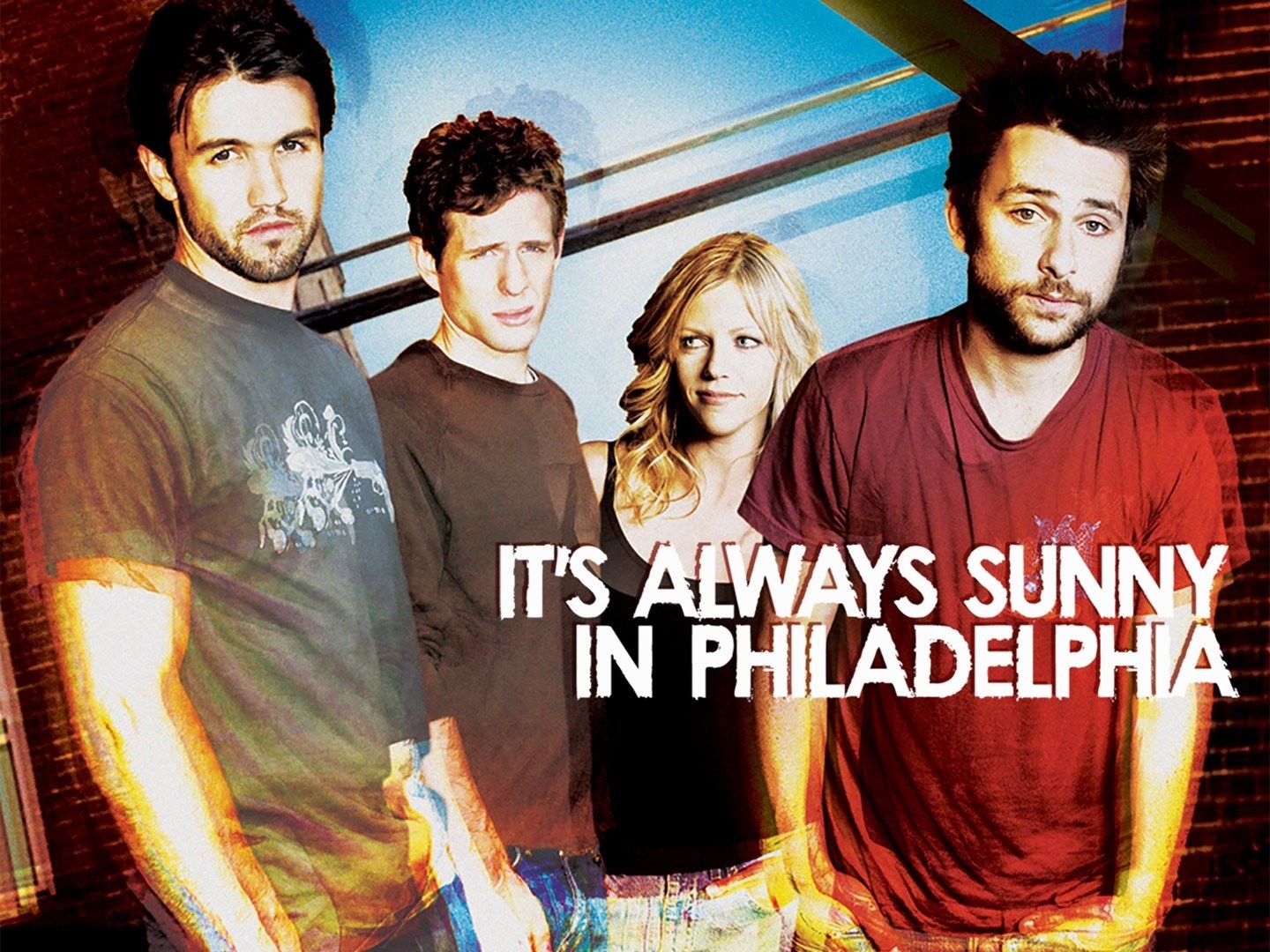
The first season can look like four kids somehow got the keys to a bar. The cramped setting and rough edges encourage that impression. But the performers playing the Gang were already in their late 20s when viewers first met them. Their characters' refusal to grow up is a different question from how old the actors actually were.
The date matters here. This guide uses August 4, 2005, the original US broadcast of The Gang Gets Racist. Earlier home-video versions of the premise are part of the show's development, but they do not supply a filming date for the aired episode. Subtracting two months from its release would produce a convenient date, not a documented production record.
Charlie, Dennis, and Dee were peers from the beginning
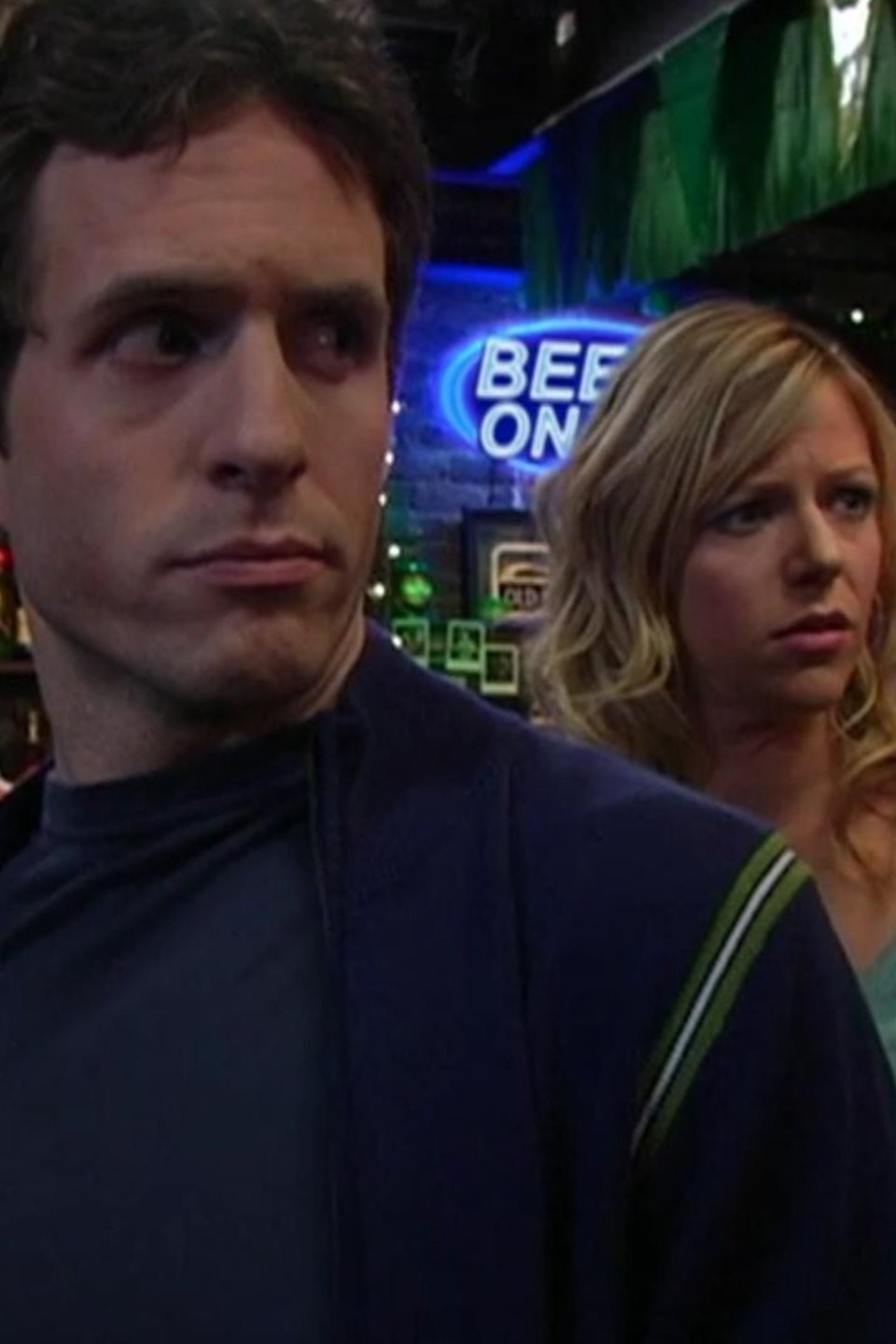
Charlie Day, Glenn Howerton, and Kaitlin Olson were all 29 on premiere night. Mac's actor, Rob McElhenney, was 28. There is no large generational divide hiding behind Dennis's authority or Charlie's dependence. The first version of the group is a set of near peers, each finding a different way to avoid responsibility.
That makes Charlie's treatment particularly sharp. He can feel like the group's little brother because the others dismiss him, yet Day and Howerton were born in the same year. The performance and the group hierarchy create that impression. The birthday arithmetic does not.
Dee turned 30 before season 1 was over
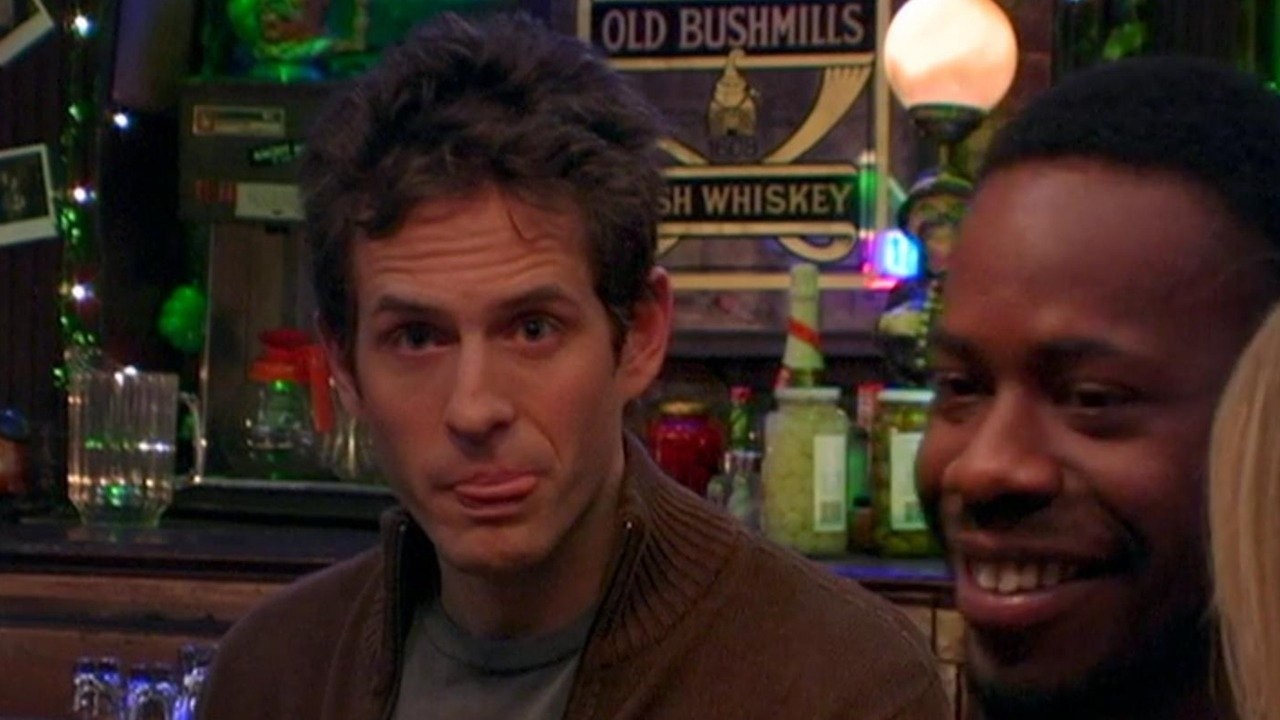
Olson's birthday is August 18, 1975. She was 29 at the August 4 premiere and turned 30 two weeks later. Howerton and Day remained 29 through that first run. So a blanket claim that the cast was one age throughout season 1 would already be wrong.
This is a small distinction with a practical use: if you are checking a particular episode, use that episode's original air date. A season label is a useful way to organize the show, but it cannot replace the date in an age calculation. The Sunny episode age explorer lets you move beyond the opening snapshot.
The Waitress is younger than the core four, but she is not a child
Mary Elizabeth Ellis was 26. That puts her a few years behind the actors playing the Gang, without making her a different generation. Her character also stands outside their tight circle: she has to deal with the consequences of Charlie's fixation rather than share the group's version of events.
It is tempting to turn that casting gap into an exact fictional age. The show does not need that assumption, and neither does this comparison. Ellis's documented birthday tells us her age at release. The Waitress's life inside the story has to be established separately.
Frank arrived at 61, in an entirely different season
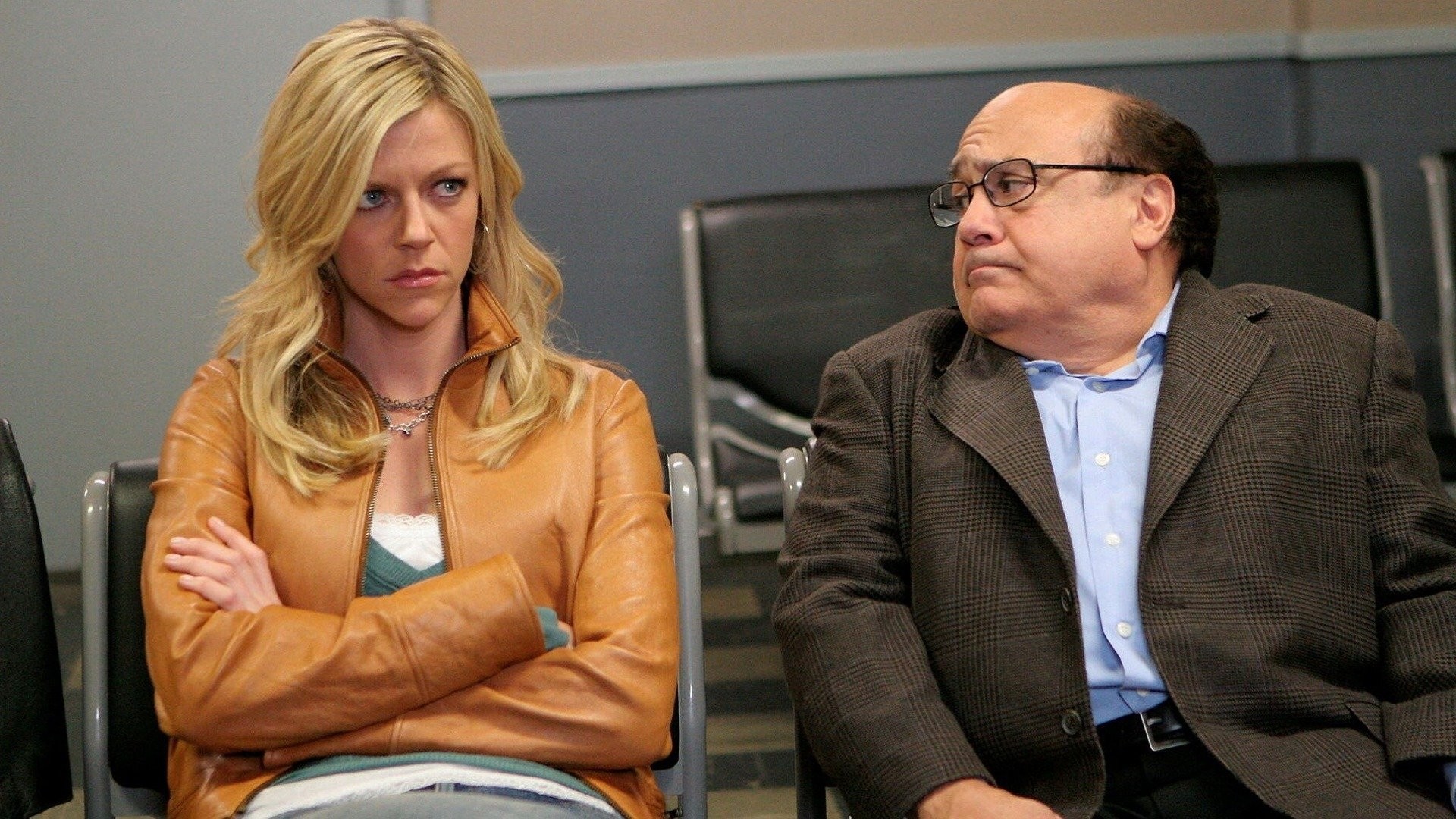
Danny DeVito was 61 when Charlie Gets Crippled aired on June 29, 2006. His row is marked with its own date because he was not in season 1. Putting him into the original cast's age range would quietly change the question.
As a comic change, though, the comparison is worth making. Frank brings a parent into a group that has no interest in being parented. The older performer does not automatically become a voice of reason. His participation gives the premise another direction: the Gang's behavior can survive well beyond their 20s.

For a useful companion comparison, the Seinfeld cast ages show another comedy where the characters' maturity has very little to do with their birthdays. Sunny makes that disconnect louder, dirtier, and eventually multigenerational.
Questions about these ages
How old was Charlie Day when It's Always Sunny started?
Charlie Day was 29 on August 4, 2005, when the first episode aired. He was born February 9, 1976.
How old were Dennis, Dee, and Mac in season 1?
At the premiere, Glenn Howerton was 29, Kaitlin Olson was 29, and Rob McElhenney was 28. Olson turned 30 on August 18, during the first season.
Was Danny DeVito in season 1?
No. Frank Reynolds arrives in season 2's Charlie Gets Crippled, first broadcast June 29, 2006. Danny DeVito was 61 on that date.
Sources and methodology
Ages are completed birthdays on the original US air date shown in the table, calculated from the linked biographical birth dates. They are actor ages, separate from fictional character ages. Production estimates are not used as exact filming dates. Interpretation of the performances is editorial commentary.
Sources and date notes
The linked actor names in the table lead to the biographical birth-date references. These sources establish the broadcast and casting context:
- The Gang Gets Racist episode history — Original broadcast: August 4, 2005; this is the aired premiere, separate from early proof-of-concept videos.
- Apple TV: Charlie Gets Crippled — Season 2 debut for Frank, June 29, 2006.
- FX: Danny DeVito as Frank — Official actor and character identification.
Explore It's Always Sunny in Philadelphia cast ages by episode